Best Month to Sell in Jacksonville 2026

Dec 1, 2024
Last Updated: August 2026 – Includes 2025-2026 market data
Key Takeaways
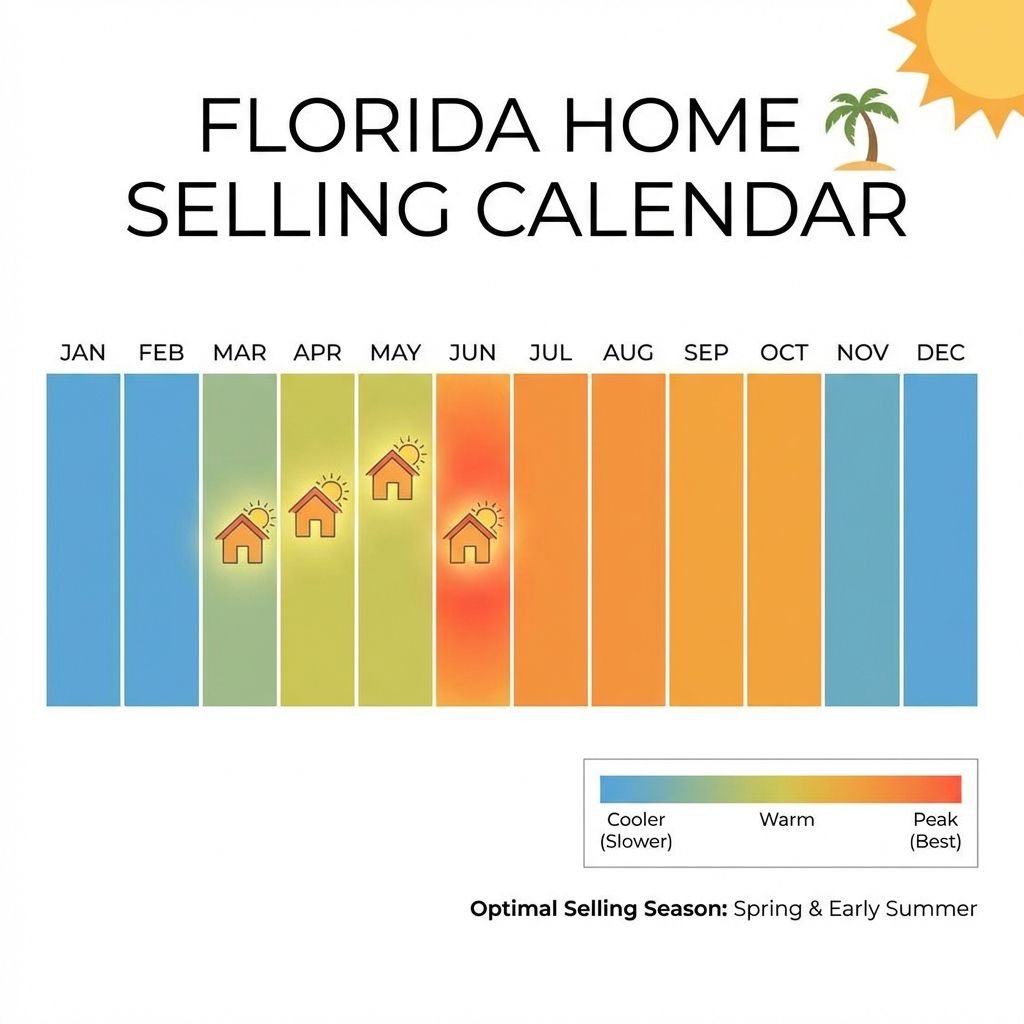
Optimal Listing Window: March through May delivers the highest sales volume, fastest days on market (averaging 32–38 days), and peak sale-to-list price ratios in Jacksonville and St. Johns County.
School Calendar Priority: In family-centric St. Johns County communities (Nocatee, Durbin Crossing, RiverTown), listing in early spring is essential to capture families moving before the August school year.
Fall Second Wave: October and November provide a strong secondary window with serious buyers looking to relocate before the holidays.
Strategic Pricing: With 2026 inventory normalized, professional staging and competitive pricing are critical to selling for top dollar.
If you’re planning to sell your home in Jacksonville or St. Johns County, timing can significantly impact your sale price and how quickly you find a buyer. But here’s the reality: the “best time to sell” has changed as the market has shifted.
This guide breaks down seasonal patterns, current market conditions, and strategic considerations to help you determine the optimal time to list your home.
The Quick Answer
Traditionally, spring (March-June) delivers the best results for home sellers—highest buyer activity, strongest prices, fastest sales. Explore our Home Seller Guide & Valuation Funnel to see what your home is worth today.
But in 2025-2026, market conditions require more nuance. With increased inventory and longer days on market, strategic preparation matters as much as timing.
Month-by-Month Breakdown
March: The Early Bird Advantage
March historically delivers the fastest sales in Northeast Florida.
Why it works:
- Buyers entering the market after New Year planning
- Less competition from other sellers
- Families beginning their search for summer moves
- Tax refund money becoming available
Strategy: List in early March to catch early-season buyers before inventory floods the market.
April-May: Peak Buyer Activity
These months consistently deliver the highest sales volume and prices in Jacksonville and St. Johns County.
Why it works:
- Maximum buyer activity
- Pleasant showing weather (before summer heat)
- Families motivated by school calendar
- Longer daylight hours for evening showings
Strategy: Best time for maximum exposure and competitive offers.
June: Strong Momentum Continues
June maintains strong activity, though intensity begins to taper.
Why it works:
- Families urgently seeking to close before new school year
- Relocating professionals with summer move timelines
- Pool and outdoor features showcase beautifully
Strategy: Still excellent results, but price competitively as late-spring inventory accumulates.
July-August: The Summer Slowdown
Activity slows measurably in mid-summer Northeast Florida.
Why it happens:
- Florida heat makes house hunting less appealing
- Vacation season diverts buyer attention
- Families focused on back-to-school preparation
Strategy: If listing in summer, price aggressively and ensure your home shows well despite heat (A/C cranked, cool drinks for visitors).
September-October: The Second Wave
A smaller but notable pickup in activity occurs in fall.
Why it works:
- Buyers who missed spring re-enter market
- Corporate relocations often target fall moves
- Before holiday slowdown creates urgency
- Cooler weather improves showing conditions
Strategy: Good alternative to spring, especially for buyers wanting to close before year-end.
November-December: Holiday Season
Volume drops significantly during holidays.
Why it happens:
- Buyer attention shifts to holidays
- Showings interrupted by travel and events
- Perceived inconvenience of winter moving
Strategy: Lower volume, but buyers who are looking are highly motivated. Less competition from other sellers can actually work in your favor.
January-February: The Slowest Period
Historically, these months see the lowest prices and slowest sales.
Why it happens:
- Post-holiday financial caution
- Winter weather (even in Florida, it’s perception)
- Buyers waiting for tax refunds
- Sellers holding for spring market
Strategy: Unless urgency requires it, waiting for March typically yields better results.
2025-2026 Market Reality
The Northeast Florida market has shifted significantly from the pandemic-era seller’s frenzy. Here’s what’s changed:
Inventory Has Increased
- St. Johns County reached 5.2 months of inventory by early 2024 (up 26% year-over-year)
- Some areas showed 7-month supply by early 2025
- By late 2025, inventory settled around 4.6-5 months (more balanced)
This means: More competition from other sellers. Your home isn’t the only option buyers have.
Days on Market Have Extended
| Period | Jacksonville Avg | St. Johns Avg |
|---|---|---|
| 2023 | 52 days | 60–75 days |
| 2024 | 57–63 days | 80–100 days |
| 2025–2026 | 55–65 days | 90–110 days |
This means: Expect longer timelines. Plan for 2-3 months on market rather than 2-3 weeks.
Price Growth Has Moderated
- 2023-2024: Strong price growth slowing
- 2025: Slight dips in some areas, flat in others
- 2026 forecast: ~1.5-2% price decrease in some Jacksonville submarkets
- St. Johns: Median prices showing modest year-over-year declines in some months
This means: Pricing strategy is critical. Overpricing leads to extended market time and eventual reductions.
What This Means for Sellers
- Competitive pricing is essential – Buyers have alternatives and are price-sensitive
- Condition and presentation matter more – See our Staging Tips
- Patience is required – Don’t panic if the first weekend doesn’t bring offers
- Professional marketing is valuable – Quality photos and exposure differentiate your listing
Beyond Seasonal Timing
While month-of-year matters, other factors may override seasonal considerations:
Personal Timing Factors
Job relocation: If you need to move by a specific date, that deadline trumps seasonal optimization.
Financial readiness: Ensure you’re prepared for both selling and buying (if applicable) regardless of season.
School calendar: If you have school-aged children, summer moves are logistically easier regardless of market conditions.
Life events: Divorce, estate situations, or family changes may drive timelines independent of market.
Property-Specific Factors
Homes with pools: Spring/summer showcases these best. A pool in December looks like maintenance, not luxury.
Golf course properties: Fall can actually work well-golfers are active and thinking about next season.
Waterfront homes: Spring and summer sell the lifestyle; winter months may underwhelm.
New construction competition: If your area has builders actively selling, timing around model home openings can matter.
Preparing for Peak Season
If you’re targeting spring 2026, start preparation now:
3 Months Before Listing
- Complete repairs and updates: Paint, flooring, fixtures
- Schedule pre-listing inspection: Address issues before buyers find them
- Declutter aggressively: Pack what you’re not using
- Research agents: Interview and select your listing agent
- Get preliminary valuation: Understand your likely price range
1 Month Before Listing
- Schedule professional photography: Book early-good photographers are busy in spring
- Final staging touches: Fresh flowers, updated décor
- Deep clean: Windows, carpets, exterior
- Review pricing strategy: Finalize list price with your agent
- Prepare disclosure documents: Florida seller’s disclosure, HOA documents
Listing Week
- Final walkthrough: Fresh eyes on everything
- Stock showing supplies: Fresh towels, subtle scents
- Plan for pets: Boarding or daily removal strategy
- Prepare for feedback: First showings provide valuable input
The Off-Season Advantage
Conventional wisdom says avoid winter-but there are legitimate reasons to list “off-season”:
Less Competition
Fewer homes on market means your listing gets more attention on Zillow, Realtor.com, and MLS.
More Motivated Buyers
Buyers house-hunting in December are serious. They’re not casually browsing-they need to buy.
Faster Negotiations
With fewer competing offers to juggle, negotiations often conclude more efficiently.
Transfer/Relocation Buyers
Corporate relocations happen year-round. These buyers are often well-qualified and timeline-driven.
Frequently Asked Questions
Market Reports and Current Conditions
Stay informed on local market conditions:
- Check Florida Realtors for statewide data
- Review NEFAR (Northeast Florida Association of Realtors) for local reports
- Follow our Market Reports for St. Johns County-specific analysis
Understanding current inventory levels, price trends, and buyer activity helps you time your sale strategically.
Ready to Sell?
Timing matters, but preparation and strategy matter more. In today’s market, success comes from:
- Realistic pricing based on current comparables
- Excellent presentation through staging and photography
- Strategic marketing to reach qualified buyers
- Patience through a longer sales cycle
Thinking about selling your St. Johns County or Jacksonville home? Request a Free Home Valuation & Selling Strategy or Contact me directly. I’ll provide a deep-dive comparable market analysis, optimal timing recommendations, and a customized staging and marketing plan.
For additional seller guidance, explore:
- Maximizing Your Home's Value Before Selling: Florida Guide
- Essential Advice for Selling Your Home in St. Johns
- Florida Closing Costs for Sellers & Buyers
Inna Moskalyk is a local real estate expert serving St. Johns County, Jacksonville, Ponte Vedra, Nocatee, and St. Augustine.