Florida Hurricane Prep Guide for Homeowners

Jun 1, 2025
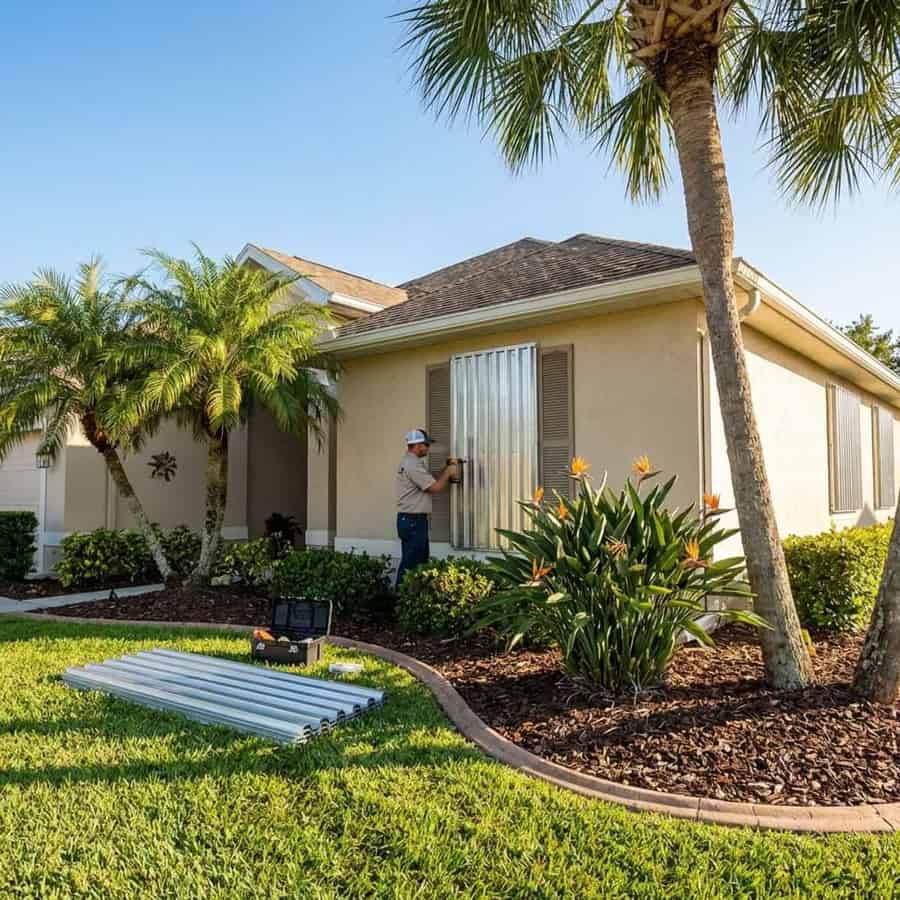
If you’re a homeowner in St. Johns County, Duval County, or anywhere in Northeast Florida, hurricane preparedness isn’t optional-it’s essential. While our region doesn’t see direct hits as often as South Florida, we’re far from immune to tropical storms and hurricanes that can cause significant damage.
This comprehensive guide covers everything from finding your evacuation zone to protecting your biggest investment: your home.
Understanding Hurricane Risk in Northeast Florida
Hurricane season runs from June 1 through November 30, with peak activity typically occurring from mid-August through October. NOAA’s 2025 forecast predicts another above-average season, making preparation more important than ever.
Here’s what makes Northeast Florida’s hurricane risk unique:
- Direct landfall is relatively rare, but we regularly experience tropical storm conditions from nearby systems
- Storm surge is the primary threat, especially for coastal and riverfront properties
- Heavy rainfall can cause inland flooding far from the coast
- Wind damage affects older roofs and unsecured outdoor items
- Power outages can last days after major storms
The bottom line? Even “near misses” can cause significant damage. Smart homeowners prepare every year.
Know Your Evacuation Zone
Understanding your evacuation zone is the single most important thing you can do before hurricane season. Zones are labeled A through F and indicate your risk level during different storm strengths.
St. Johns County Zones (A-F)
St. Johns County uses a zone system based on storm surge vulnerability:
- Zone A: Barrier islands, coastal areas, and low-lying riverfront-evacuate first for most storms
- Zones B-E: Progressive levels of risk based on storm intensity
- Zone F: Areas vulnerable to St. Johns River flooding during major storms
- All mobile home residents: You’re automatically Zone A and MUST evacuate when any order is issued
Find your zone: Visit sjcemergencymanagement.com and use the “My Evacuation Zone” tool. Just enter your address.
Sign up for alerts: Register at AlertStJohns.com or text “StJohnsEOC” to 888777 to receive emergency notifications.
Note: In March 2025, St. Johns County updated its forecast zones for improved coastal flooding and storm surge accuracy. Make sure you check your current zone status.
Duval County Zones (A-F)
Jacksonville/Duval County uses similar zones based on three factors: storm surge risk, freshwater flooding potential, and isolation risk during emergencies.
- Zone A: Most vulnerable areas including all mobile homes, flood-prone neighborhoods, and barrier islands (Jacksonville Beach, Neptune Beach, Atlantic Beach)
- Zone F: Heavy rainfall flood risk areas
Find your zone: Download the JaxReady app for real-time updates and zone lookup using GPS or your address. You can also visit jacksonville.gov.
Sign up for ALERTJAX: Duval’s free emergency notification system sends critical updates during emergencies.
Evacuation Routes from the Beaches:
- Use J. Turner Butler Boulevard, Beach Boulevard, or Atlantic Boulevard heading west
- Traffic is directed westward through downtown onto I-10 West
- If on I-95 North, you’ll be routed to I-295 North
Clay and Nassau Counties
- Clay County: All mobile homes are Zone A (always evacuate). Visit claycountygov.com for zone maps and the All Hazards Preparedness Guide.
- Nassau County: Check their Emergency Alert Notification System and Citizens’ Disaster Guide online.
Understanding Zone Letters
One common point of confusion: evacuation zones are NOT the same as flood zones. Your flood zone for insurance purposes (A, AE, X, etc.) is different from your evacuation zone. Both matter, but they serve different purposes.
When to Evacuate
Evacuate when your zone is called. It’s that simple.
Here’s why you shouldn’t wait:
- Mandatory evacuation orders are legally enforceable
- Storm surge is the primary cause of hurricane deaths-it can rise faster than you expect
- Bridges may close 6-12 hours before storm arrival
- Emergency services cannot respond during storm conditions
Protecting Your Home: Before Hurricane Season
The best hurricane prep happens in May-before a storm threatens. Take care of these tasks during the off-season:
Yard and Exterior
- Trim trees and shrubs now-once a watch or warning is issued, arborists stop cutting
- Clean gutters and drains to prevent water backup
- Inspect your roof for loose shingles or tiles; a damaged roof becomes a major liability in a storm
- Check hurricane shutters for functionality; buy plywood now if you need it
- Clear debris from your yard that could become projectiles
Documentation
- Video record your home’s contents room by room for insurance purposes
- Store important documents in a waterproof container or safe deposit box
- Take photos of major appliances and valuables with receipts if available
- Keep insurance policy information easily accessible
Structural Improvements That Add Value
If you’re planning home improvements, consider these hurricane-hardening upgrades:
- Impact-resistant windows: Major selling point and can reduce insurance premiums
- Hurricane shutters: Various styles from accordion to roll-down
- Roof straps/clips: Reinforce the connection between roof and walls
- Reinforced garage doors: Often the weakest point in a home’s envelope
- Generator with proper fuel storage: Essential for multi-day outages
Pro Tip: Get a wind mitigation inspection. This $100-200 assessment can document your home’s hurricane-resistant features and often leads to significant insurance discounts.
When a Storm Threatens: 48-72 Hours Out
When a storm enters the Gulf or approaches the Atlantic seaboard, shift into active preparation mode:
Home Protection
- Secure outdoor furniture, grills, and decorations-anything that can fly
- Board windows with shutters or pre-cut plywood
- Bring in planters, hanging baskets, and lawn ornaments
- Clear items from your lanai or porch
- Move vehicles into garages if possible
Supplies and Logistics
- Turn fridge and freezer to coldest settings to preserve food longer if power fails
- Fill bathtubs with water for flushing toilets
- Gas up vehicles while fuel is still available (lines get long quickly)
- Get cash from ATMs-they won’t work without power
- Fill prescriptions for a 7+ day supply
If You’re Evacuating
- Leave early to avoid traffic and potential road closures
- Know your destination before you leave (hotel, family, shelter)
- Take your emergency kit, medications, and important documents
- Turn off utilities if directed by authorities
- Unplug major appliances to protect from power surges
Building Your Emergency Kit
Every household needs a 3-7 day emergency supply kit. Don’t wait until a storm threatens-stores will be sold out.
Essential Supplies
- Water: 1 gallon per person per day (minimum 3 days, ideally 7)
- Non-perishable food plus a manual can opener
- Medications: 7+ day supply of all prescriptions
- Flashlights and extra batteries (not just candles-fire risk)
- Battery-powered or hand-crank NOAA Weather Radio
- First aid kit
- Important documents in waterproof container
- Cash in small bills
- Phone chargers and battery packs
- Personal hygiene items and sanitation supplies
Pet Preparedness
Don’t forget your furry family members:
- Food, water, and medications for 7+ days
- Carrier or crate (required for shelters)
- Vaccination records (required for pet-friendly shelters)
- Recent photos in case you’re separated
- Comfort items like a favorite toy or blanket
Research pet-friendly shelters or hotels now-not all shelters accept animals.
Family Communication Plan
Before hurricane season, make sure your family has a plan:
- Designate an out-of-town contact everyone can check in with
- Establish a meeting point if you get separated
- Know your children’s school pickup plans during emergencies
- Have paper copies of important phone numbers (phones die, memory fails)
Special Needs Registration
St. Johns, Clay, and other counties offer special needs shelters for residents who require medical assistance, electricity for equipment, or other accommodations. Register BEFORE hurricane season starts-you cannot sign up once a storm threatens.
Insurance: Review Before the Storm
Hurricane season is too late to fix gaps in your coverage. Review your policies now:
Key Questions to Ask
- Do you have flood insurance? Standard homeowner policies EXCLUDE flood damage. If you’re in a flood zone (or near one), you likely need separate flood coverage through NFIP or private insurers.
- What are your wind deductibles? Many Florida policies have hurricane/wind deductibles of 2-5% of your dwelling coverage. On a $500,000 home, a 2% deductible means $10,000 out of pocket before insurance kicks in.
- Are your coverage limits adequate? Rebuilding costs have increased significantly-make sure your policy reflects current values.
- Do you have Loss of Use coverage? This pays for temporary housing if your home is uninhabitable.
Get a Wind Mitigation Inspection
If you haven’t had one, schedule a wind mitigation inspection. This documents hurricane-resistant features like:
- Roof shape and materials
- Roof-to-wall connections
- Opening protection (shutters, impact windows)
- Secondary water resistance
These inspections often lead to insurance discounts of 15-40%.
Document Everything
- Keep copies of your policy in your emergency kit and with your out-of-town contact
- Video your home’s interior before hurricane season
- Save receipts for major purchases and improvements
After the Storm
Once the storm passes and authorities give the all-clear:
Safety First
- Wait for official clearance before going outside
- Avoid downed power lines-assume all lines are live
- Don’t use generators indoors (carbon monoxide risk)
- Wear protective footwear when walking outside
Documentation
- Photograph and video ALL damage before cleanup or repairs
- Don’t throw away damaged items until insurance adjuster reviews
- Keep receipts for emergency repairs and expenses
Filing Claims
- Report damage to your insurance company immediately
- Make temporary repairs to prevent further damage (keep receipts)
- Be wary of contractor scams-verify licenses and don’t pay large deposits
- Follow county debris removal guidelines for pickup schedules
Florida Disaster Prep Sales Tax Holiday
Florida typically offers a Disaster Preparedness Sales Tax Holiday in late May or early June each year. During this period, items like flashlights, batteries, generators, coolers, tarps, and other storm supplies are tax-free.
Check FloridaRevenue.com for exact dates and qualifying items each year.
Frequently Asked Questions
Ready for Hurricane Season?
Whether you’re new to Northeast Florida or a longtime resident, reviewing your hurricane plan annually is essential. The time you invest now could save your home-and your life.
If you’re new to the area and wondering how hurricane risk factors into home buying, contact me. I can help you understand evacuation zones, flood zones, and insurance considerations as you search for your new home.
Inna Moskalyk is a local real estate expert serving St. Johns County, Jacksonville, Ponte Vedra, Nocatee, and St. Augustine.