Florida Home Inspection: Buyer's Guide

Jul 15, 2023
Tags:Buyer Guides
Key Takeaways
Florida-Specific Risks: Humidity, roofs, HVAC, and wood-destroying organisms matter more here than in a generic national checklist.
Budget $350–$700+: General inspections plus WDO and wind-mitigation reports are cheap compared with a missed $30,000 repair.
Use the Contingency: Inspection periods are usually 7–15 days—negotiate repairs, credits, or cancel inside that window.
Buy With Backup: Hire a buyer's agent who schedules independent inspectors, including on new construction.
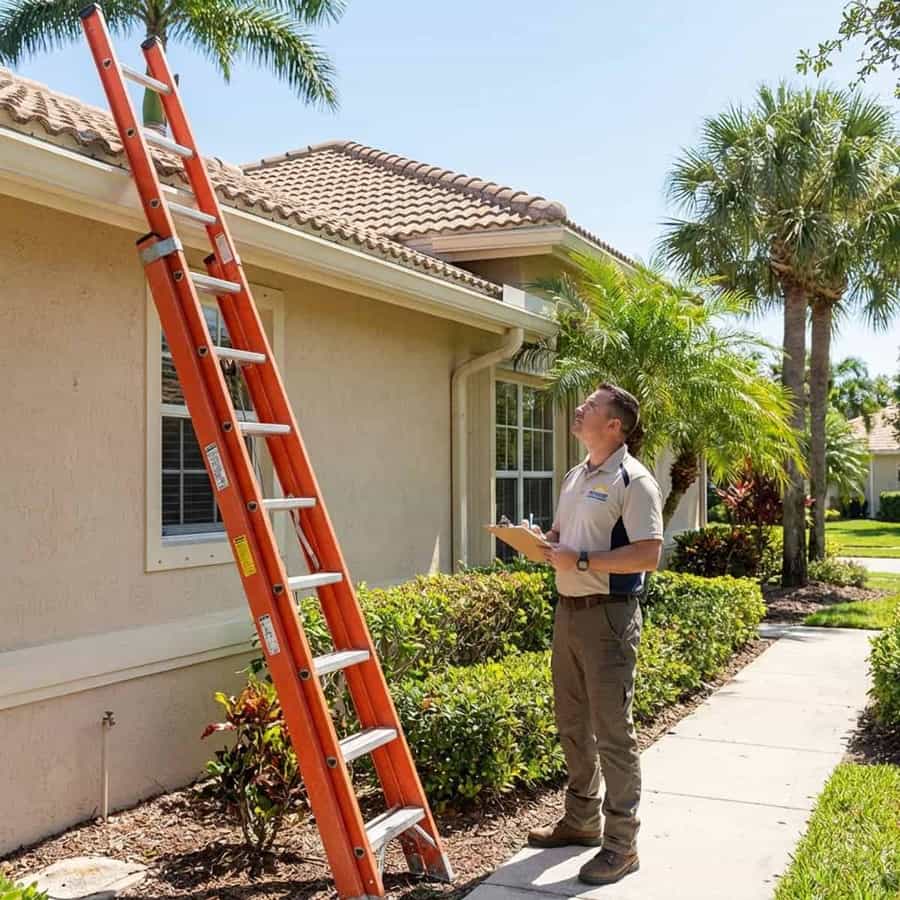
A Florida home inspection is climate-specific due diligence, not a courtesy walk-through. Roofs, HVAC, moisture behind vanities, and wood-destroying organisms fail here more often than in drier states, and sellers sometimes paint over the evidence. A general inspection typically runs $350–$700; add WDO and wind-mitigation when the house or insurer requires them. Those reports give you leverage inside a 7–15 day contingency: repair, credit, or cancel. On new construction in Nocatee or SilverLeaf, I still recommend a third-party pre-drywall and final inspection—the onsite sales agent represents the builder. Start with a buyer consultation so inspections are on the calendar before the clock starts.
What to Expect from a Home Inspection in Florida: A Buyer’s Complete Guide
Originally published July 2023. Updated November 2025 with current inspection requirements and costs.
I’ll never forget watching a first-time buyer’s face fall when the inspector pointed to black mold spreading behind the bathroom vanity. The sellers had painted over it, but Florida’s humidity doesn’t care about fresh latex. The inspection caught it. That $500 inspection saved a $30,000 remediation nightmare-or a walk-away from a house that would have been a money pit.
That’s what home inspections are for. In Florida’s unique climate, they’re not just important-they’re essential protection.
Why Florida Inspections Are Different
Every state has home inspections. Florida has Florida home inspections.
The Climate Factor
Our humidity averages 75%+. That means AC systems working 8+ months per year, mold always waiting for a opportunity, and materials that deteriorate differently than in cooler climates. An inspector from Michigan might not catch what an experienced Florida inspector spots immediately.
Storm Exposure
Hurricanes aren’t theoretical here. Roofs take beatings. Windows flex under pressure. Water finds its way into places it shouldn’t. Inspectors look for damage patterns that simply don’t exist in other markets.
Termites
Florida is a termite paradise. Subterranean termites, drywood termites, dampwood termites-they’re all here, all eating houses, all year round. A dedicated Wood Destroying Organism (WDO) inspection isn’t optional; it’s survival.
Insurance Complications
Try getting homeowner’s insurance in Florida without answering detailed questions about roof age, electrical panels, plumbing types, and wind mitigation features. Inspections feed directly into your insurance options and costs.
What Actually Happens on Inspection Day
Before You Arrive
Schedule the inspection early in your due diligence period-you’ll want time to negotiate if issues arise. Plan for 2-4 hours depending on home size and age. Yes, you should attend. Walking the property with the inspector teaches you more about your future home than any number of showings.
The inspector isn’t there to pass or fail the house. They’re documenting conditions. Everything they find is information for your decision.
The Walkthrough
A thorough Florida inspection covers:
Roof and Attic
Roof age is everything in Florida insurance. Inspectors document estimated age, visible damage, flashing conditions, and signs of leaks. In the attic, they’re looking at ventilation (critical for moisture control), insulation levels, and structural integrity. They’ll note whether you’re likely to face insurance limitations or premium surcharges.
Exterior
Stucco cracks? Water staining patterns? Settling foundation indicators? Salt air damage on coastal properties? Grading that directs water toward instead of away from the house? Florida-specific concerns that might not appear on generic checklists.
Electrical
Panel brand matters in Florida-certain panels (Federal Pacific, Zinsco) trigger insurance concerns regardless of age. Inspectors verify grounding, check for aluminum wiring issues, and assess whether the system can handle Florida’s air conditioning demands.
Plumbing
Supply and drain conditions, water heater age and type, pipe materials (polybutylene is a red flag), water pressure, and signs of past or active leaks. Florida’s high water tables and humidity make even minor plumbing issues escalate quickly.
HVAC
AC isn’t a luxury here-it’s survival. Inspectors run the system, check ductwork, verify age and capacity, and look for deferred maintenance signs. They’ll note efficiency ratings and estimate remaining useful life. An aging AC system hidden during a mild showing day becomes obvious under inspection scrutiny.
Interior
Moisture meter readings on walls and floors. Window and door operation. Signs of past water intrusion. Evidence of mold (visible or suspected). The stuff that sellers can temporarily cosmetic-fix but can’t permanently hide.
Florida’s Common Problem Areas
After reviewing hundreds of inspection reports, certain issues appear constantly:
Roof Problems
Florida roofs take more punishment than almost anywhere in the country. Storm damage, UV degradation, and standing water issues are endemic. Many sellers don’t realize their roof problems until an inspector documents them.
Mold and Moisture Intrusion
High humidity + any water intrusion = mold. It’s not if, it’s when. Inspectors with moisture meters and thermal imaging cameras find issues eyeballs miss. Common trouble spots: bathroom ceilings, window corners, behind washers/dryers, anywhere AC ductwork runs.
AC System Failures
Systems running 8+ months annually wear faster. Inspectors frequently find coils caked with debris, drain lines backing up, ductwork leaking conditioned air into attics, and systems operating well below rated efficiency.
Termite Damage
Even treated homes get termites. Inspectors look for mud tubes, frass (termite droppings), hollowed wood, and winged insect evidence. This often requires a separate WDO specialist rather than general home inspector.
Electrical Issues
Older Florida homes frequently have undersized panels, corroded components (especially coastal), outdated wiring, and insufficient outlets for modern appliances. Insurance companies ask about electrical specifics-inspectors document them.
The Special Florida Inspections
Beyond the general inspection, you’ll likely need these Florida-specific assessments:
Wind Mitigation Inspection ($75-$150)
This documents hurricane-resistance features: roof shape, roof covering, roof deck attachment, roof-to-wall connections, opening protection (shutters, impact windows). Better features = significant insurance discounts. A well-built post-2002 home can save hundreds monthly on wind coverage.
4-Point Inspection ($100-$200)
Required by many insurers for homes over 25-30 years old. Covers only four areas: roof, electrical, plumbing, and HVAC. It’s an insurance-focused snapshot, not a comprehensive inspection. If your 4-point reveals issues, insurance may require repairs before issuing coverage.
WDO/Termite Inspection ($100-$150)
Wood Destroying Organism inspection by a licensed pest control company. They’re looking for active or past termite activity, wood decay fungi, and other organisms that literally eat houses. Lenders often require this, and you should want it regardless.
Some inspectors offer package pricing for multiple inspections. It’s often worth bundling rather than coordinating multiple appointments.
Using Inspection Results
The inspector hands you a detailed report (often 30-50+ pages with photos). Now what?
Understand What’s Serious
Distinguish between cosmetic issues, maintenance items, and significant defects. Every house has imperfections. Not every imperfection justifies negotiation-but some absolutely require it.
Request Repairs Strategically
Focus on safety issues, expensive repairs, and items affecting insurability. Asking sellers to fix every nail pop and paint chip weakens your position for negotiations that actually matter.
Know When to Walk Away
Major structural issues, extensive mold remediation, foundation problems, or environmental concerns (Chinese drywall, lead, asbestos) may exceed reasonable investment. The inspection contingency exists for a reason.
Budget for Reality
Even “clean” inspections reveal future maintenance needs. AC has 5 years left? Budget for replacement. Roof is aging but serviceable? Plan that expense. Inspection reports are budgeting documents as much as negotiation tools.
Finding the Right Inspector
Florida licenses home inspectors through the Department of Business and Professional Regulation. Verify any inspector at MyFloridaLicense.com.
Beyond licensing, look for:
- Extensive Florida experience (climate-specific knowledge matters)
- Additional certifications (thermal imaging, pool/spa, etc.)
- Sample reports you can review before hiring
- Insurance/E&O coverage
- Availability to answer questions after the report
Cost typically runs $300-$600+ for general inspection depending on square footage and age. It’s the best $500 you’ll spend on your home purchase-never cheaper out on inspections to save a few hundred dollars.